Rubber Calendering
Precision Capabilities

One of the UK's specialist rubber calendering manufacturers
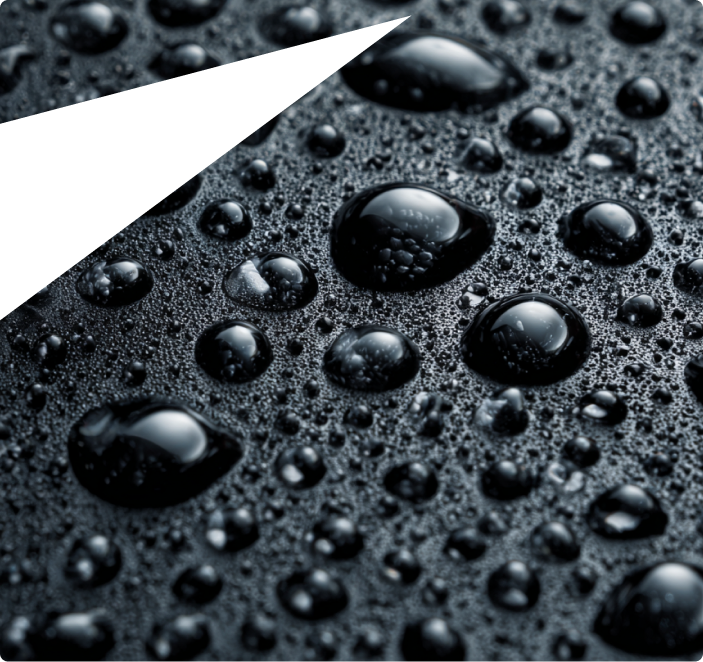
Calendering is the process of forming uncured rubber into continuous sheets of consistent thickness and width. At Colne Valley Rubber, we work to your exact requirements, whether for development batches or full-scale production.
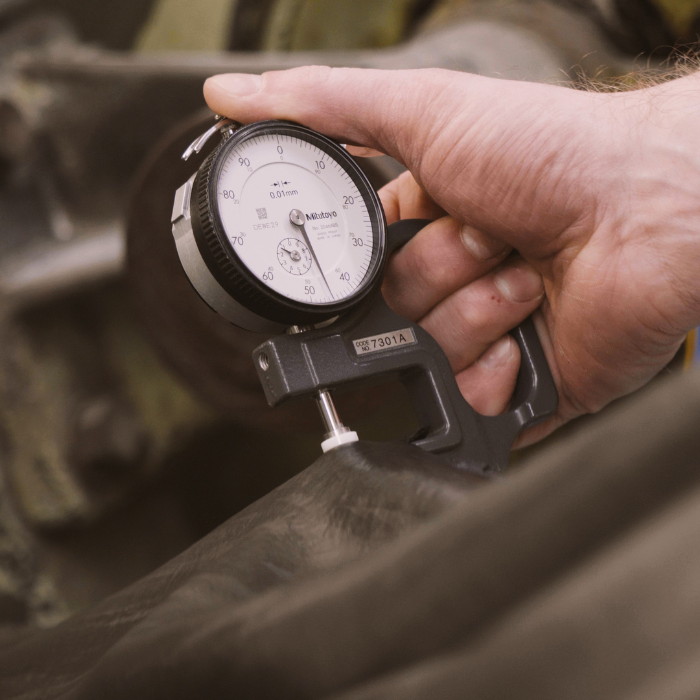
Rubber Calendering
Precision Capabilities

Rubber Calendering
Custom Options
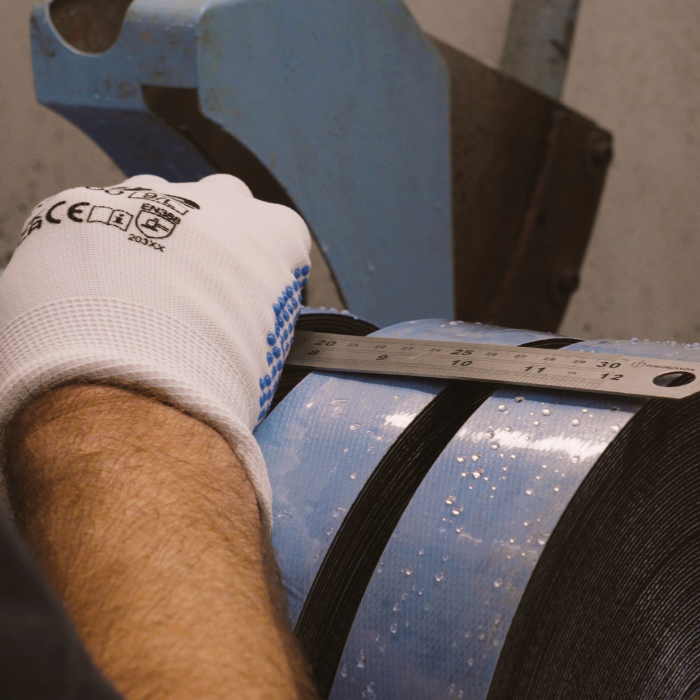
Rubber Calendering
Slitting & Precision strip conversion
We work with a wide range of elastomer compounds, we also process custom black and coloured formulations.
 HNBR
HNBR
HNBR (Hydrogenated Nitrile Rubber) is a synthetic rubber offering greater strength and chemical resistance than standard nitrile rubber. HNBR is widely used in automotive and oil industries.
 FKM
FKM
FKM stands for fluoroelastomer, a synthetic rubber celebrated for its superior resistance to chemicals, oils, and high temperatures. It’s commonly used in seals, gaskets, and hoses
 Aflas
Aflas
Aflas is a premium fluoroelastomer renowned for its resistance to demanding environmental conditions. Commonly used in the oil and gas industry, automotive and chemical processing.
 EPDM
EPDM
EPDM (Ethylene Propylene Diene Monomer) is a durable synthetic rubber used for sealing and weatherproofing in construction and automotive applications.
 NBR
NBR
Nitrile rubber (NBR) is an oil-resistant synthetic rubber which is commonly used in the automotive, aerospace, and industrial sectors, as well as for disposable gloves and various moulded goods.
 CR
CR
CR rubber is a synthetic rubber which remains flexible across a broad range of temperatures. Commonly used for wetsuits, sporting equipment, automotive parts, and industrial applications.
 CSM
CSM
CSM is a synthetic rubber recognised for its excellent resistance weathering. Commonly used for automotive components, electrical cable jacketing, roofing materials, and inflatable boat manufacturing.
 Silicone
Silicone rubber is widely used thanks to its unique properties, such as excellent resistance to both high and low temperatures. Commonly used automotive, construction, electronics, and medical industries.
 Natural
Natural rubber is a polymer obtained from, most notably the Hevea brasiliensis tree. Its valued for its remarkable elasticity, strength, and flexibility.
 Polyurethane